





Knowledge, safety and education
It all starts with a thorough knowledge of the various home care tools available. This includes lift lift, toilet and shower chairs, wheelchairs, custom beds, rollers, wall brackets and much more. Understanding their functions and applications is essential. (If you would like more information about this, please contact us at info@homezorgwebshop.be)
In addition, the safety a top priority when using home care tools. Make sure you set and use the tools correctly according to the manufacturer's instructions. Also learn how to safely assist the patient in using these tools to prevent accidents.
In addition to the independent use of home care tools, it is important to:teach patient and their family on its proper use.This increases their independence and reduces the dependence of the nurse.
Movements within the limits of the bed and horizontal transfers:
- The patient can move himself into bed with some help: use small tools (e.g. Bed parrot) and a Electric high-low bed.
- The patient has few options to help carry out the transfer: use a Roller or lubricant and one Electric high-low bed.
- The patient is completely passive: use a Electric high-low bed combined with slider.


Transfers from bed, (roll) chair or toilet to elsewhere and vice versa:
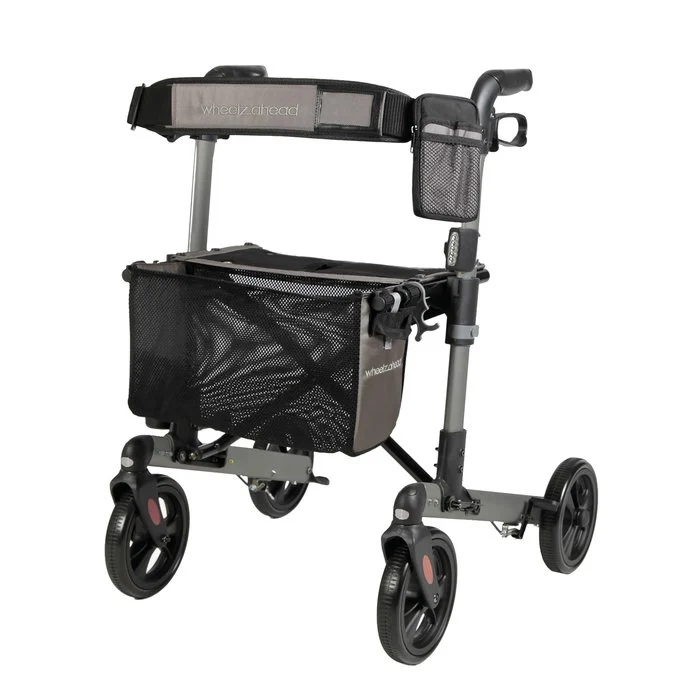
- The patient can (be) stand up and walk almost independently, but is uncertain: support the patient and possibly use a running tool(rollator, walking stick, four-pickle,...)
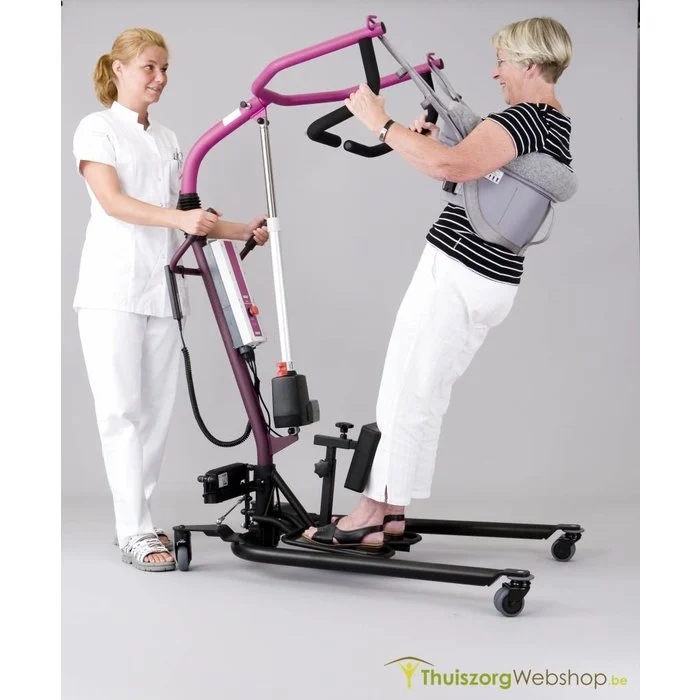
- The patient cannot stand up (on his own), has some hull balance and can take some support on the legs: use a active lift, bed transfer bracket, Wall bracket, Toilet increase or toilet seat.
- The patient has insufficient hull balance and cannot support the legs: use a passive lift.



The lifting of support stockings:
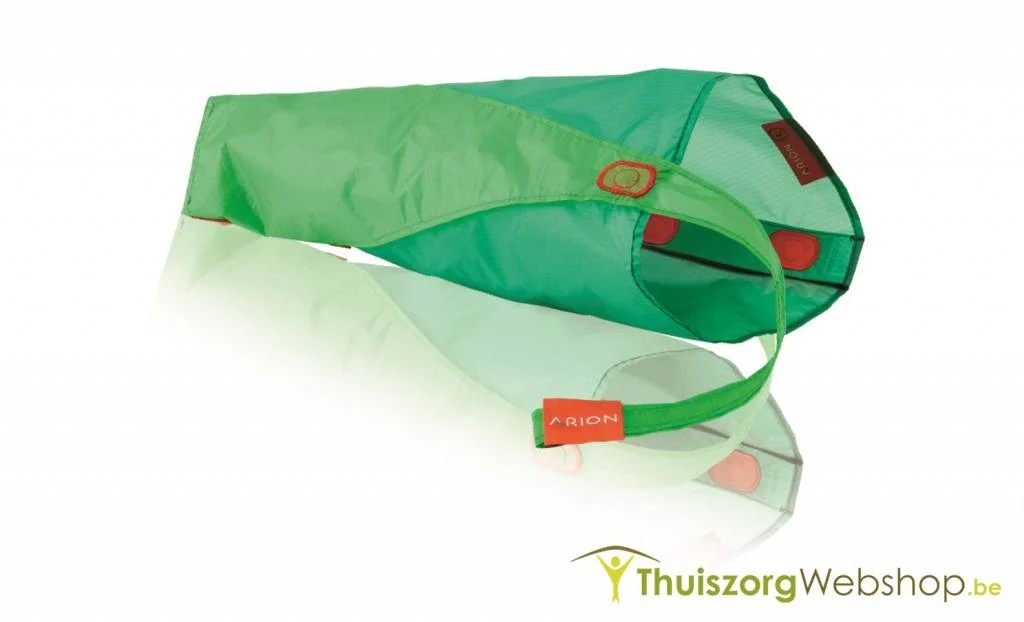
- The patient has therapeutically elastic support stockings: use a on/off tool.
Static load:
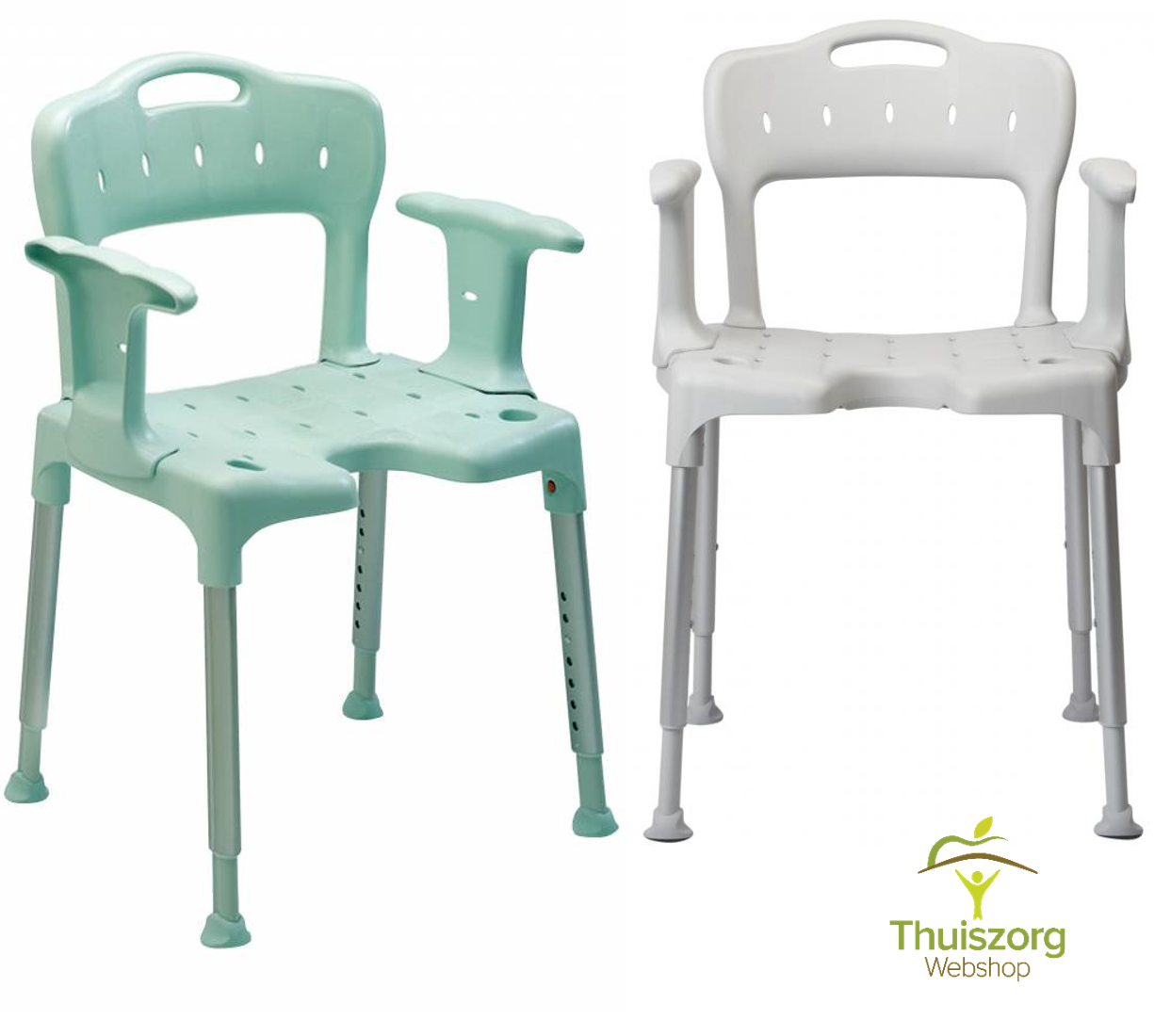
- The patient is showered sitting down: use a shower seat.
- The patient is washed/ cared for on bed: use a Electric high-low bed, hair wash basin.
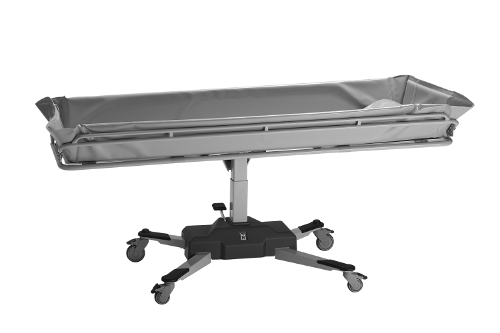
- The patient is showered lying down: use a high-low shower.
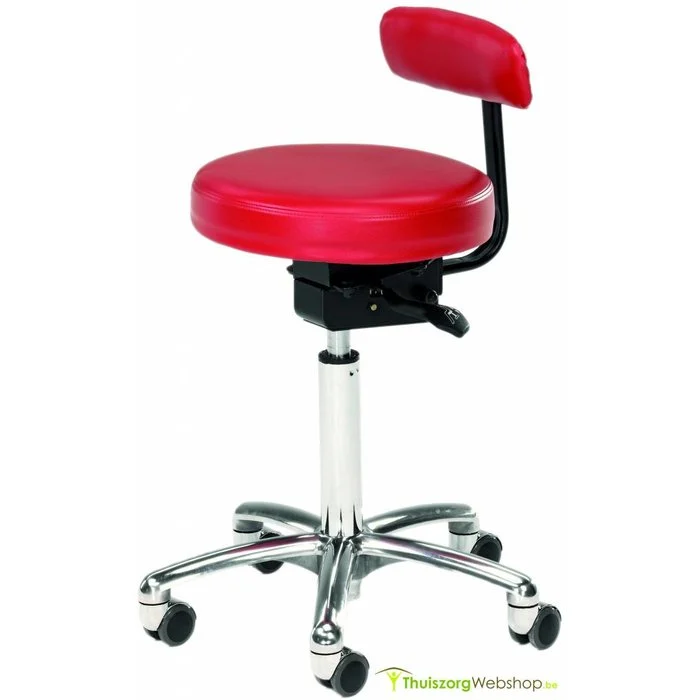
- The patient is given wound care lasting longer than 1 minute: use a high-low adjustable tool(bed, shower chair/brancard), for leg care use preferably a wound care stool or Of a thickness exceeding 6 mm.

Conclusion
The efficient use of home care tools is essential for home care nurses to provide high quality care and improve the quality of life of their patients and themselves. By selecting, using and maintaining these tools correctly, you can streamline care tasks while ensuring the safety and comfort of the patient. The correct use of Home Care Tools contributes to an effective and pleasant home care experience for both nurses and patients.
If you would like more information for ordering home care tools, please send an email to info@homezorgwebshop.be. Or click here.

 and then Add to Home Screen.
